


👋 Hi and welcome to today’s edition of Venture Radar - where we uncover real internet businesses making real money, and break down how they do it.
Here’s today at a glance -
Steal this ideas: Modern Ticketmaster, AI pose coach & widget-first apps.
Side hustles & passive income: $15K AI PDF, $8K AI history channel & $72K detailing business.
Real businesses: $120K/month cake outreach, $1.63M magnets & $600K shed flipping.
Unlock 50+ founder playbooks & templates, a growing database of profitable business ideas and 2-3 premium deep dives every week.
FROM OUR PARTNER - DOFOLLOW
🔎 Your competitors are showing up in Google and AI. Are you?
Search has changed.
B2B buyers no longer rely on Google alone. They discover vendors through search results, review sites, publisher roundups, and increasingly through AI tools like ChatGPT and Gemini.

dofollow.com helps B2B SaaS companies build the authority needed to show up across all of these channels.
High-authority backlinks from trusted B2B SaaS publishers
Branded mentions that improve visibility in AI-generated answers
A dedicated strategy built specifically for B2B SaaS companies
The impact can be significant. One client went from 0 to 50+ demos per month through organic search, while others have grown traffic from 1K to 80K monthly visitors.
If you’re investing in content but not getting the visibility it deserves, this is worth a look.
See how dofollow helps SaaS brands stay visible in both Google and AI search →
🤝 Partnership With US
Partner with us : Get your brand in front of 50000+ readers including founders, indie hackers, side hustlers and aspiring founders.
🥷 STEAL THIS BUSINESS IDEA
Steal this business idea: The modern ticketing platform
Almost everyone who buys event tickets has the same complaint: hidden fees, terrible checkout experiences, resale headaches, and outdated software. People hate the experience, but organizers aren’t thrilled either.

The opportunity?
Build a ticketing platform that competes on simplicity and transparency.
Start with a few things customers actually care about:
Upfront pricing with no surprise fees
Fast checkout in under 30 seconds
Easy ticket transfers and resale
Better event discovery
Mobile-first experience
The real customers, though, are event organizers. Give them:
Lower fees than legacy platforms
Better attendee analytics
Built-in email and SMS marketing
Referral programs and ambassador tools
Faster payouts
Instead of trying to replace Ticketmaster overnight, start with independent organizers, conferences, creator events, festivals, college events, and local experiences.
You could even use AI to help organizers predict demand, optimize ticket pricing, and identify likely buyers from past event data.
Ticketing is one of those industries everyone knows is broken, yet very few companies have successfully improved it. With regulators putting pressure on incumbents and organizers actively looking for alternatives, the timing is better than it has been in years.
The winner won’t be the company with the most features. It’ll be the one that makes buying and selling tickets feel painless again.
Steal this business idea: AI pose coach for photos
Most people hate being in front of a camera. They know they need better photos for Instagram, dating apps, LinkedIn, or travel - but have no idea what to do with their hands, face, or body.
The search demand is massive. Millions of people are actively looking for things like “how to pose for photos” and “how men pose for pictures.”
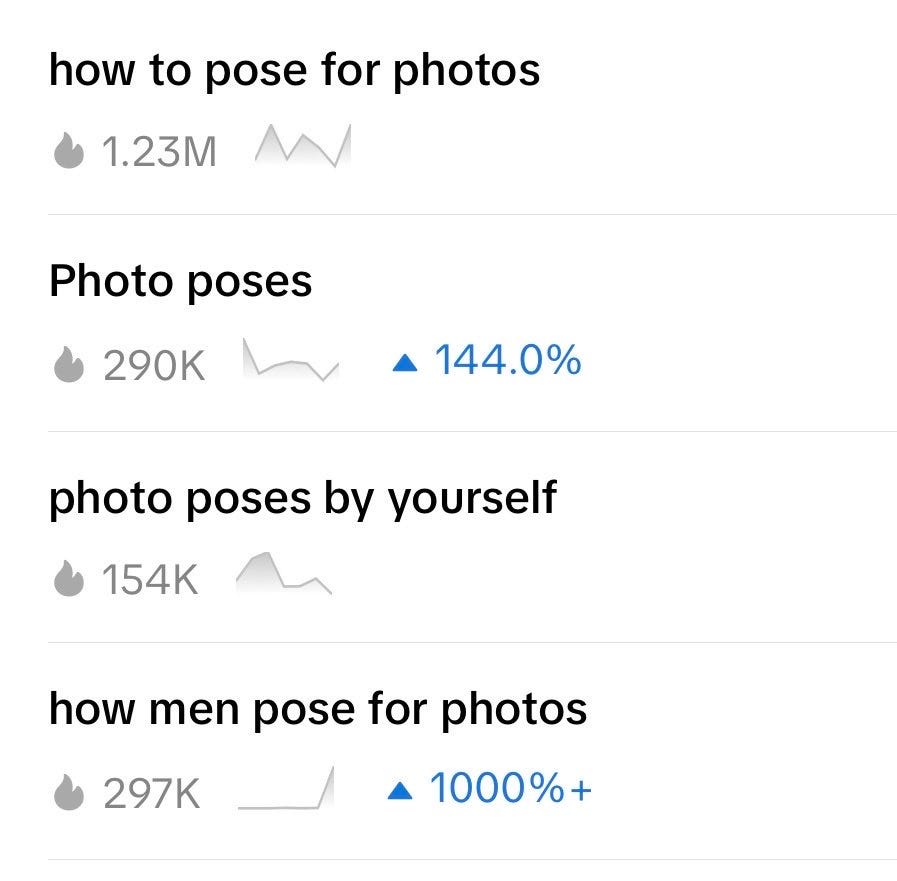
The opportunity? An app that acts like a personal pose coach.
Users upload a photo or open the camera, and the app suggests poses in real time:
Adjust your shoulders
Turn slightly to the side
Raise your chin
Move your hands here
Try this pose based on your body type
Start with a specific niche, like men. Then expand into:
Dating profile photos
Travel photography
Professional headshots
Fashion creators
Gym and fitness photos
The best part is that the product markets itself. Before-and-after examples, pose tutorials, and transformation videos are perfect for TikTok, Instagram Reels, and YouTube Shorts.
Monetize through subscriptions, premium pose packs, and AI photo analysis. You could even expand into adjacent products like fashion advice, grooming recommendations, and personal branding tools.
Most people don’t want to become photographers. They just want to look better in photos. That’s a simple problem with a huge audience.
Steal this business idea: Widget-first apps
Most apps have the same problem: people download them, use them for a few days, and forget they exist.
Widgets flip that dynamic.
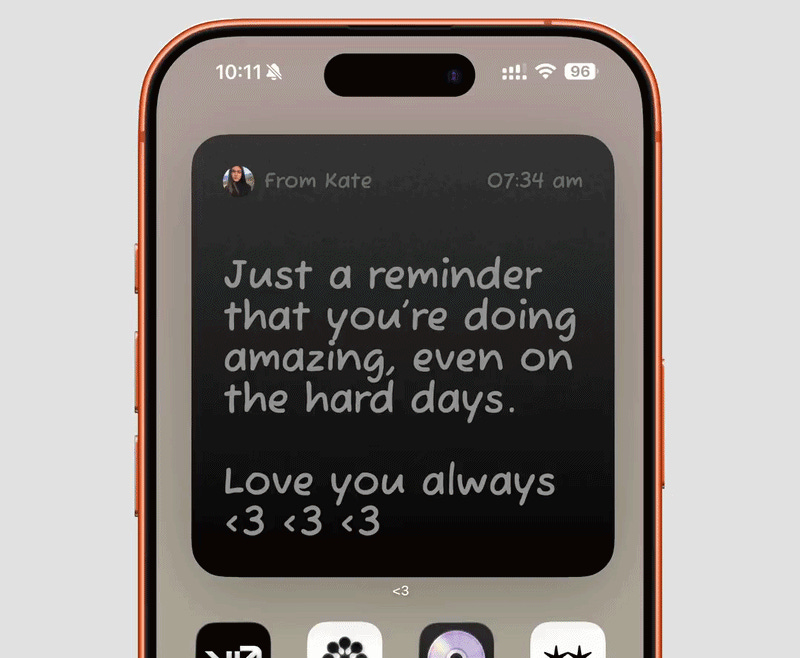
Instead of asking users to open an app, the product lives directly on their home screen. Every time they unlock their phone, it’s there - showing useful information, collecting input, or nudging them to take action.
The opportunity isn’t one widget app. It’s an entire category.
You could build widgets for:
Family communication
Grocery lists and chores
Pet and plant care
Mood tracking and journaling
Birthdays and celebrations
Personal briefings
Task prioritization
Finance tracking
News summaries
Habit building
Smart home automation
Health monitoring
The common thread is simple: these are products people check every day. The widget becomes the product, while the app sits quietly in the background.
Distribution is easier too. Widget screenshots perform well on TikTok, Instagram, and X because the value is instantly visible in a single image.
Most founders are focused on building better apps. The bigger opportunity may be building products people never have to open in the first place.
As AI becomes more personalized, expect widgets to become the default interface for many consumer apps. The best ones won’t just display information — they’ll help users make decisions and build daily routines.
FROM OUR PARTNER - MECO
The best new app for newsletter reading

Reading newsletters in the inbox is frustrating - it is noisy and easy to lose control of subscriptions. Now with Meco, you can enjoy your newsletters in an app built for reading, while giving your inbox space to breathe.
Meco connects to Gmail & Outlook, allowing you to instantly move your newsletters to the app (and clear your inbox)
Over 30k readers are enjoying their newsletters (and decluttering their inbox) with Meco - try the app today!
🏇 SIDE HUSTLES & PASSIVE INCOME
$15K in 30 days from one AI-written PDF
From a story shared by Leon Green, who claims he generated $15,114 in 30 days selling a single digital guide in the parenting niche.
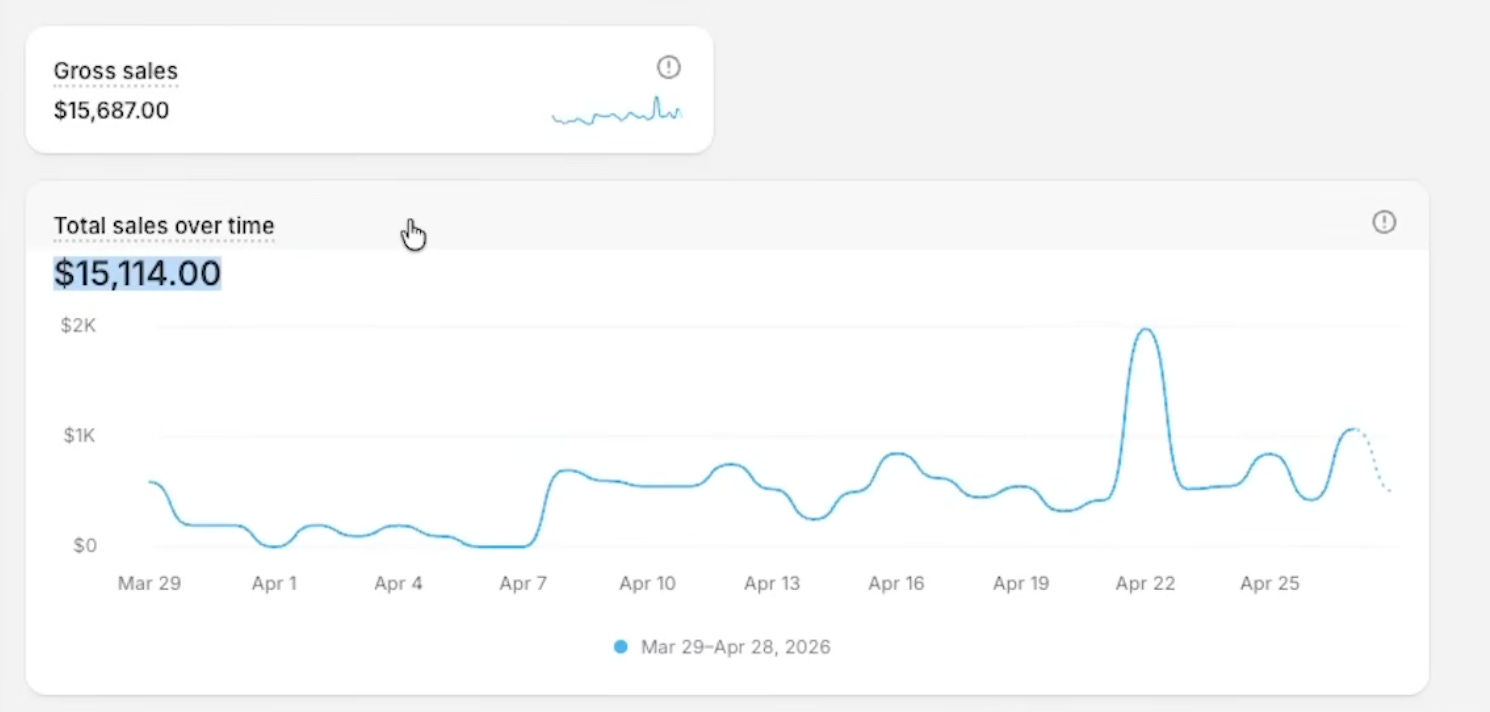
The product itself was surprisingly simple. He chose a niche with strong emotional appeal, used AI to help create the content, designed a cover in Canva, and sold the PDF through a Shopify store.
According to Leon, AI handled most of the writing process.
Chose a parenting-related topic
Used AI to draft the guide
Designed a simple cover in Canva
Sold the PDF for $9–27
But what really drove sales wasn’t the PDF itself - it was distribution.
Instead of relying on organic traffic, he approached a parenting YouTuber with around 73,000 subscribers and offered two options:
50% affiliate commission
A flat sponsorship fee
The creator eventually agreed to a hybrid deal: $700 upfront plus 15% recurring commission.
What stood out to me is that the guide wasn’t positioned as the business. It was the product behind a distribution strategy. The YouTube integration kept generating views long after publication, creating ongoing sales without additional work.
The broader lesson is that distribution often matters more than production. Plenty of people can create a PDF today. Getting it in front of the right audience is where most of the value gets created.
$6,800/month from a free-preview website service
From a Reddit post where a developer shared how his failed AI startup accidentally led him to a much more profitable business.

He originally quit his job to build an AI tool for generating product photoshoots. The product never gained traction, and customers weren’t willing to pay for it.
As a fallback, he started offering simple business websites with a different sales approach: prospects receive a free homepage preview before committing to anything.
The process is straightforward:
Business owner fills out a short form
He creates a homepage mockup or preview
The client only pays if they like what they see
That simple offer turned out to be far easier to sell.
Today he charges:
$400 for a standard website
$100+ for additional features
Around 17–20 projects per month
According to him, most early customers came from existing contacts. Over time, referrals started driving more business, and he now supplements that with Meta ads.
~$100 in ad spend
5–7 inquiries
Typically 2–3 paying clients
What stood out to me is how much friction the free preview removes. Instead of asking clients to trust a portfolio or sales pitch, he shows them exactly what they’re getting before asking for money.
His biggest lesson was that the idea he considered too simple and too boring ended up having far more demand than the ambitious AI product he originally wanted to build.
Sometimes the market rewards practical solutions more than innovative ones.
$8K/month from an AI-generated travel history channel
Jonathan Laramy built a YouTube channel around an unusual concept: an AI-generated character named Chloe who “travels” through different periods of history, from the Titanic to Ancient Rome.

The channel exploded quickly.
Reached 261K subscribers in just 3 months
Generated 17M+ views
Most views came from Shorts
Three long-form videos alone attracted ~4.7M views
Estimated earnings of roughly $8K/month from long-form content
What I find interesting is that Jonathan didn’t try to hide the AI aspect. Instead, he leaned into it and focused on making history feel immersive.
His process involves:
Taking public-domain artwork and historical references
Converting them into moving scenes with AI tools
Publishing a new long-form video roughly every two weeks
The real business lesson isn’t AI itself. It’s packaging.
History is a massive evergreen category, but most educational content feels dry. By adding a recurring character and visual storytelling, he turned familiar information into something people want to binge-watch.
The model is also clever:
Shorts attract attention and subscribers
Long-form videos generate most of the revenue
Evergreen topics keep accumulating views over time
If I were borrowing this playbook, I’d focus less on the AI avatar and more on finding a large evergreen topic that people already enjoy learning about, then presenting it in a more engaging format than everyone else.
$72K in 9 months from a one-man mobile detailing business
A 26-year-old Redditor shared how his “side hustle” generated $72K in revenue between March and November, all while working a full-time finance job at an insurance company.
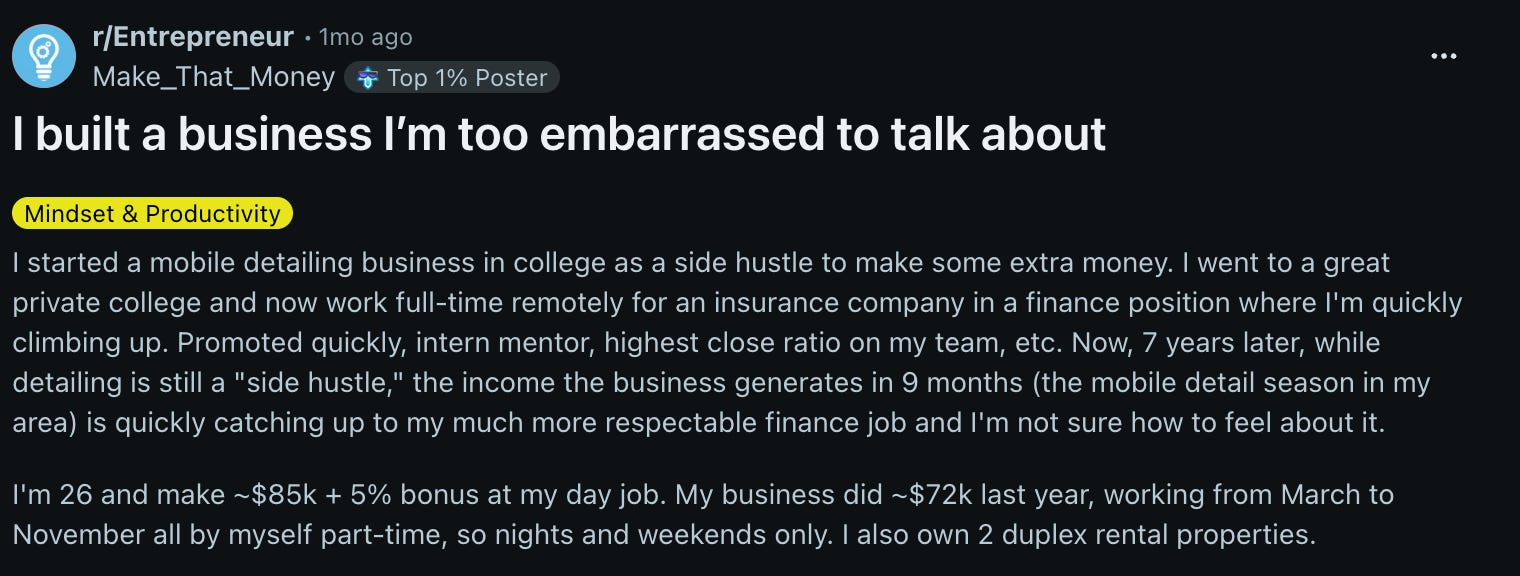
He runs a mobile car detailing business on nights and weekends, operating from a custom trailer and a branded Ford Transit Connect.
A few numbers that stood out:
Average ticket size: $285 (including tips)
Best month: $12K revenue
Booked out 1.5+ months in advance
Built enough recurring clients to generate $5K/month guaranteed
His pricing looks like this:
Exterior detail: $100–150
Interior detail: $250–275
Full interior + exterior: $325–375
Monthly maintenance plan: $275
The recurring maintenance plans became the real engine of the business. Instead of constantly hunting for new customers, he built a base of clients who pay every month to keep their vehicles spotless.
His customer base includes:
Mercedes G-Wagons
Porsche owners
Luxury SUV drivers
Even the occasional Ferrari owner
What makes the story interesting is that he admits feeling embarrassed about the work.
Despite the business outperforming many white-collar side hustles, he keeps it mostly private from friends and family because it doesn’t match the image people associate with a finance career.
A few takeaways:
Service businesses can scale surprisingly well without employees.
Recurring maintenance plans are often more valuable than one-time jobs.
Customers care about results, not whether the business sounds glamorous.
In a world obsessed with AI startups and SaaS, simple local services can still produce strong cash flow.
The most profitable opportunities aren’t always the most exciting. Sometimes they’re just businesses people overlook because they’re too busy chasing the next trend.
(Subscribe to Venture Radar Premium and get 25% off forever.)
🗃️ REAL BUSINESSES
$120K/month sending cakes to sales prospects
William Lindholm built an unusual B2B business around a simple idea: instead of sending cold emails, send a cake.
He calls it “cold caking.”
Charges about $80 per cake
Sources cakes from local bakeries near the recipient
Includes tracking and delivery coordination
Generated roughly $120K in revenue last month
Estimated profit: $30K–$40K/month
Built the business in just 6 months
The reason it works is pretty obvious when you think about it. Most executives receive:
hundreds of emails
LinkedIn messages
automated AI outreach
Very few receive a cake with their name on it.
According to William, around 35% of the cakes sent have resulted in meetings, which is an incredibly strong response rate compared to traditional outbound sales.
What stood out to me is that this isn’t really a cake business. It’s a lead generation business disguised as a gift business.
The cake is just the mechanism that gets attention.
He’s also using AI behind the scenes to:
find new bakeries
negotiate pricing
expand into new locations
The broader lesson is interesting. As digital outreach becomes easier and noisier, physical experiences become more valuable. Sometimes the best way to stand out isn’t better software or better copywriting - it’s showing up in a way nobody expects.
$250K/year from a sticker business that started with one design
Therese Waechter didn’t set out to build a sticker company. During the pandemic, she uploaded a single sticker design to Facebook Marketplace and demand exploded.
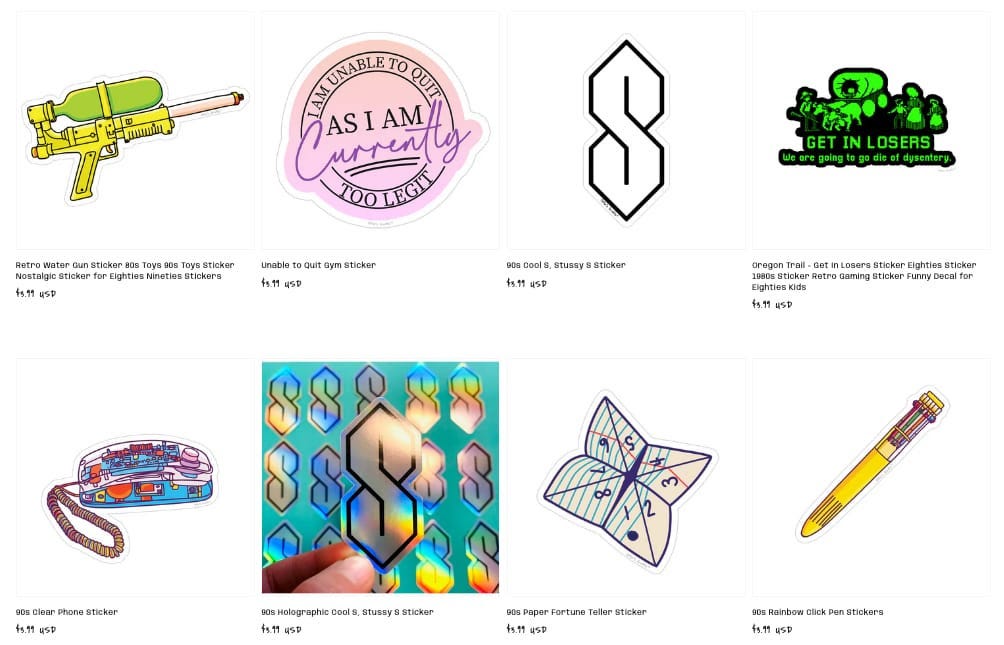
At one point, she was processing around 200 orders a day.
Then Facebook shut her account down.
Instead of starting over, she moved the business to Etsy and Amazon. Initially she used print-on-demand services, but the margins weren’t great. The breakthrough came when she brought production in-house and started printing the stickers herself.
Today, her business generates roughly $250K per year across multiple channels:
Etsy (30% of revenue)
Amazon FBA (30%)
Faire wholesale marketplace (30%)
Shopify store (10%)
Each platform serves a different purpose. Etsy drives discovery, Amazon provides hands-off fulfillment, Faire brings wholesale buyers, and Shopify acts as a home base for the brand.
One thing that stood out to me is how she diversified early. Most sellers become dependent on one platform. Therese learned that lesson after Facebook disappeared overnight and intentionally spread her revenue across several channels.
The broader lesson is simple:
Start with one design. One product. One marketplace.
You don’t need hundreds of products to validate demand. Once something starts selling consistently, that’s when you invest in better margins, new channels, and systems that let the business scale.
Broke mom to $1.63M selling custom magnets
Sariah Howell started with one goal: make a few extra hundred dollars from home. She was pregnant, broke, and her husband was working long hours for $14/hour. After discovering custom photo magnets online, she bought a machine on a credit card and started selling at local farmers markets.

First month: ~$1,000 revenue
Cost per magnet: $0.35
9-pack sells for $25 → extremely high margins
First full year: $1.63M revenue with 30–40% net margins
Started with under $1,000 in equipment
The real breakout came from weddings.
At just her second market, a couple invited her to be a vendor at their wedding. That unlocked a much bigger opportunity:
3-hour wedding gig: $1,200–$3,000 revenue
Costs: ~$500
Profit: ~$1,500 per event
And the market is huge:
~2.5 million weddings per year in the US
Very few vendors offering this service
The insight: Start with a simple, high-margin product → test locally → follow where customers pull you.
In this case, one curious couple turned a farmers market side hustle into a million-dollar business.
$600K/year flipping free backyard sheds
A guy in North Carolina built a $600K/year business by flipping something most people ignore: old backyard sheds. The trick wasn’t buying low - it was solving a logistics problem.
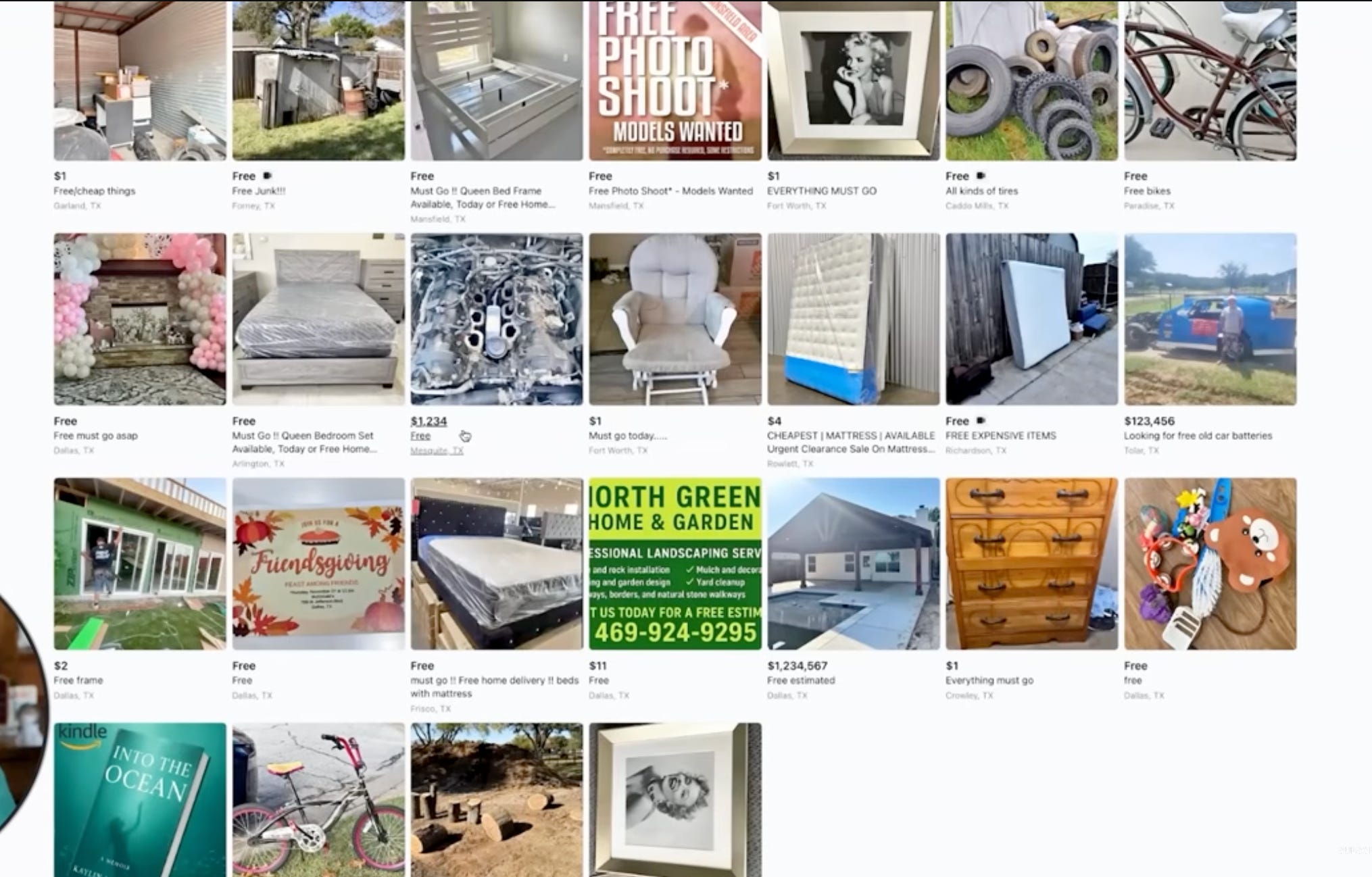
Finds free or cheap sheds on Facebook Marketplace
Offers to take them away for free (saving owners disposal costs)
Relists same shed for ~$2,000 with delivery included
Buyers pay more because they can’t transport it themselves
Often pre-sells sheds before even picking them up
The real edge: He’s not selling sheds - he’s selling removal + delivery convenience.
How he scaled:
Started by renting trucks
Focused on bulky items people struggle to move
Used AI tools to scrape Marketplace for keywords like “free” and “must go”
Messaged listings early to win deals before others
This works beyond sheds:
Hot tubs
Riding mowers
Trampolines
Large furniture
If it’s heavy, annoying to move, and people want it gone - there’s money in the middle.
Flower vending machines: the $8K–15K business bringing bouquets to customers 24/7
Imagine needing flowers at the last minute and buying them as easily as a bottle of water.
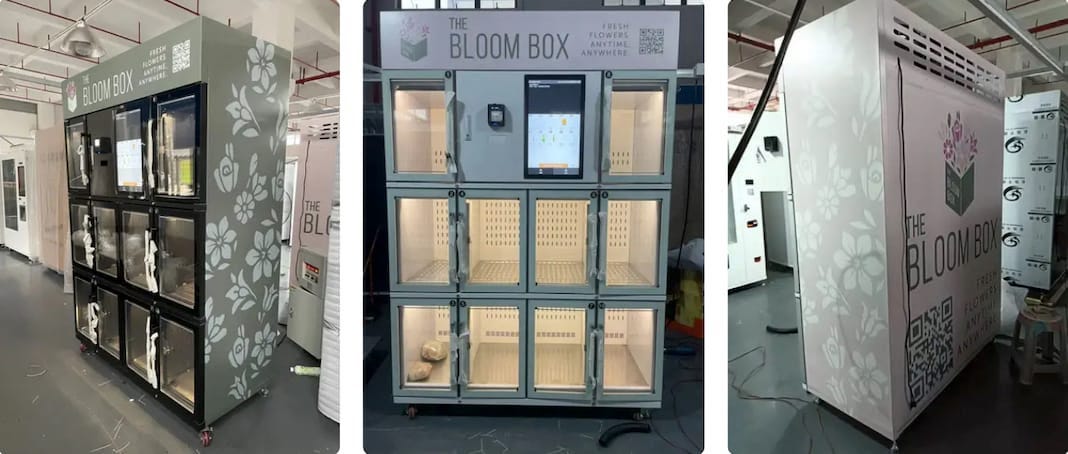
That’s the idea behind The Bloom Box, a flower vending machine launched by florist Jami Moretti in Dublin. Located inside a busy public market, the refrigerated machine sells designer bouquets priced between roughly $48 and $80+.
Customers simply:
Browse bouquets through a touchscreen
Pay with a card
Grab their flowers in seconds
Jami’s goal was simple: make buying flowers as convenient as buying coffee.
What makes this interesting is that the concept is already well-established in places like Japan, where flower vending machines are common. In the U.S., however, they remain relatively rare, creating an opportunity in many cities and towns.
A typical refrigerated flower vending machine costs around $8K-15K, and the model works best when paired with an existing florist who can keep inventory fresh and stocked.
What stood out to me is that this isn’t really a flower business innovation. It’s a distribution innovation. The product already exists - the vending machine simply makes it available exactly when and where customers need it.
For the right location, convenience becomes the competitive advantage.
Unlock 50+ founder playbooks & templates, a growing database of profitable business ideas and 2-3 premium deep dives every week.
Partnership With US
Partner with us : Get your brand in front of 50000+ readers including founders, indie hackers, side hustlers and aspiring founders.
Thanks for reading today’s newsletter. Stay tuned for more!
The most dangerous business ideas are often the ones that sound too ordinary to brag about.
That is the pattern I keep seeing here. Not genius products. Not mystical innovation. Just people spotting an annoying friction, solving it cleanly, and getting paid because everyone else was too busy chasing something sexier.
That is a useful corrective.
A lot of money hides in businesses that look unimpressive from a distance and obvious in hindsight.