


👋 Hi and welcome to today’s edition of Venture Radar — where we uncover real businesses making real money, and break down how they do it.
“In the world of entrepreneurship, the spotlight often shines on tech startups and innovative disruptors. Yet, beneath the radar, a growing number of savvy individuals are quietly acquiring and scaling "boring" businesses, think laundromats, car washes, and vending machine routes and reaping substantial rewards.
These businesses may lack the allure of Silicon Valley ventures, but they offer consistent cash flow, lower competition, and opportunities for operational improvements. Let's delve into five compelling case studies that showcase the potential of investing in these unassuming enterprises.
1. Codie Sanchez: Building a Portfolio of Boring Businesses
After a successful career in finance, Codie Sanchez turned her attention to acquiring small, cash-flowing businesses.

Recognizing the untapped potential in overlooked sectors, she built a diverse portfolio that includes laundromats, car washes, and vending machine routes. Her strategy focuses on businesses with steady demand, minimal glamour, and opportunities for operational enhancements.
Sanchez's approach has proven lucrative; her ventures collectively generate substantial monthly income. She emphasizes the importance of identifying businesses that are essential to daily life but often ignored by traditional investors. Her success underscores the viability of boring businesses as a path to financial freedom.
Check out here youtube channel where she shared insights on building and buying boring business: https://www.youtube.com/@CodieSanchezCT
2. Ben Kelly: Acquiring Six Businesses in Four Years
Ben Kelly embarked on a mission to acquire multiple small businesses, focusing on those owned by retiring baby boomers. Over four years, he successfully purchased six companies, including a financial services firm, a web design agency, an accounting practice, a SaaS company, an ATM route, and a nail salon.

Kelly's strategy involves identifying low-risk, profitable businesses with room for growth. He often structures deals with minimal upfront capital, leveraging seller financing and partnerships. By improving operations and customer service, he enhances profitability and scales the businesses effectively.
Check out here youtube channel where she shared insights on building and buying boring business: https://www.youtube.com/@acquisitionace
3. Derek Olson: Flooring Equipment Manufacturing
Derek Olson found success in an unexpected niche, manufacturing machines that remove flooring in schools. Recognising the recurring need for floor maintenance in educational institutions, he built a company that specializes in this specific equipment. His business, National Flooring Equipment, generates significant revenue annually.

Olson's story illustrates how identifying a consistent, niche demand can lead to a thriving enterprise. By focusing on a specialized market with little competition, he established a profitable and sustainable business.
4. David MacNeil: WeatherTech's Rise
David MacNeil transformed a simple idea into a multimillion-dollar business. After noticing the superior quality of car floor mats during a trip abroad, he began importing and selling them in the U.S. Starting from his garage, MacNeil's company, WeatherTech, grew rapidly, eventually manufacturing a range of automotive accessories domestically.

WeatherTech's success stems from MacNeil's commitment to quality, customer service, and American manufacturing. His journey from a modest startup to a company with substantial annual revenue exemplifies the potential of focusing on product excellence in a "boring" industry.
5. Erin and Jon Carpenter: Revitalizing a Laundromat
In Charleston, South Carolina, Erin and Jon Carpenter purchased a run-down laundromat for just over $50,000. With an additional investment of approximately $75,000, they renovated the facility, transforming it into a welcoming community space. Despite generating modest profits, the business serves as a valuable community hub.
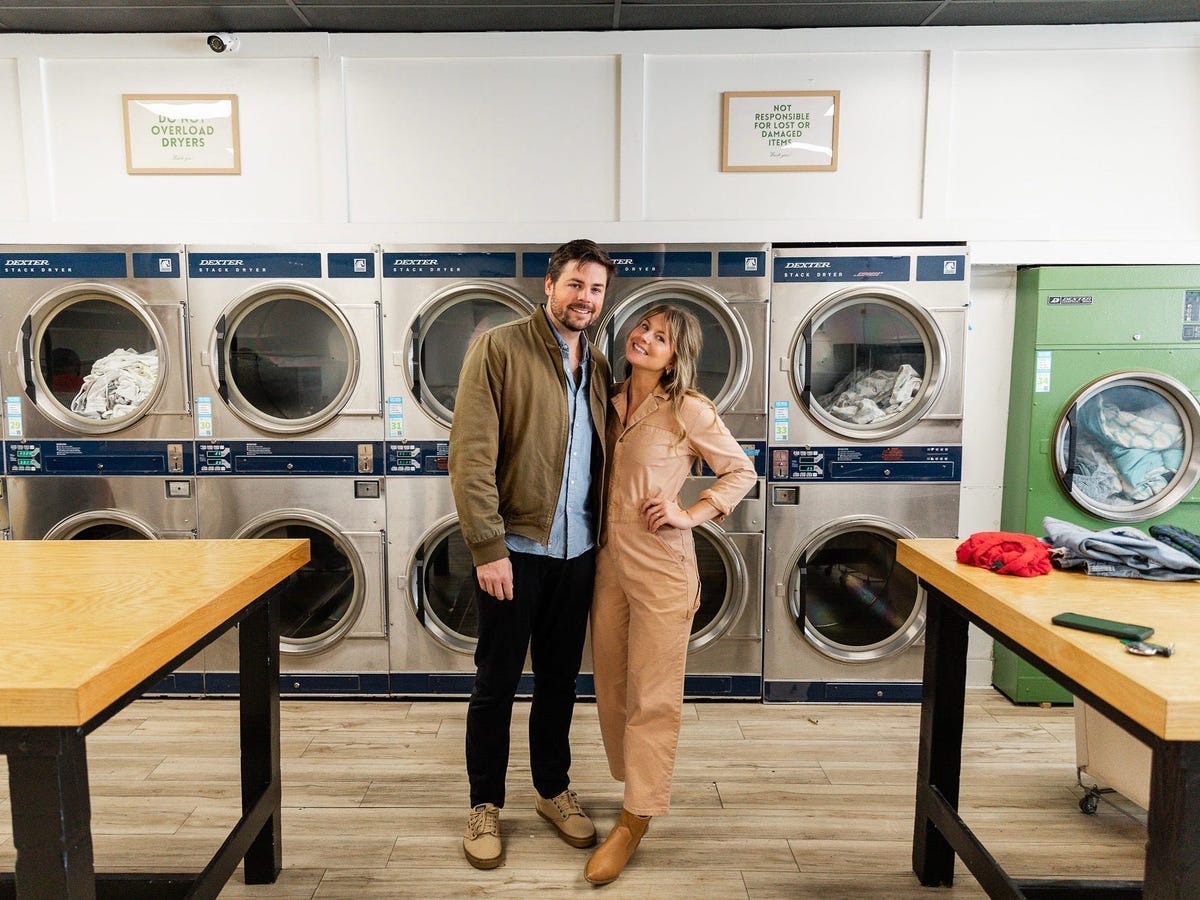
The Carpenters' venture demonstrates that the value of a business isn't solely measured in profits. By creating a space that meets a community need, they've established a meaningful and sustainable enterprise.”
Thanks for reading today’s newsletter. Stay tuned for more!